
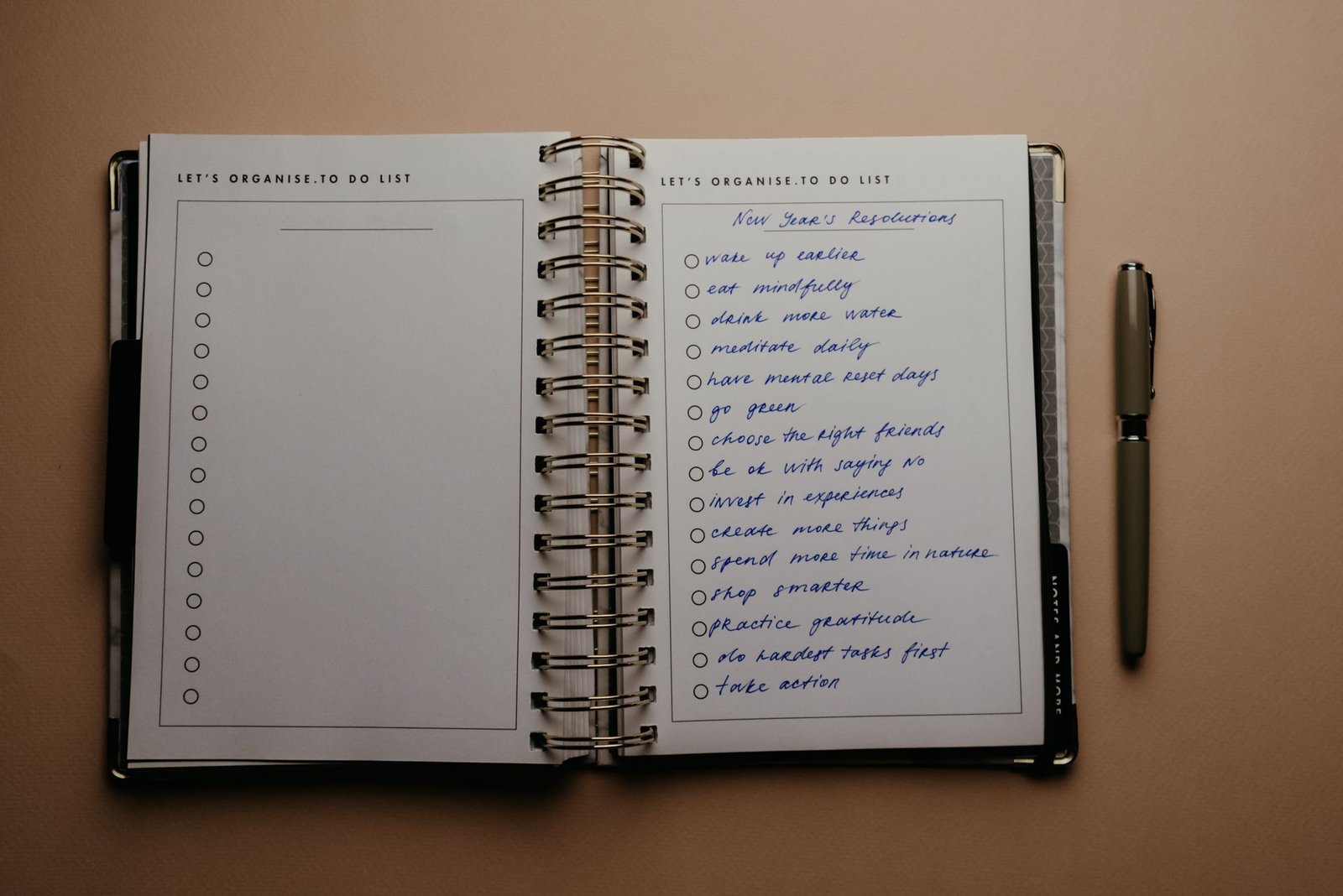
How to Build Habits That Actually Stick: A Practical Guide to Lasting Change
You know that feeling when you decide, “This time, I’m really going to change.”
You buy the journal.
You download the habit tracker.
You wake up early.
You plan your workouts, your morning routine, your reading time, your healthy meals, and maybe even your entire week.
For a few days, everything feels exciting.
Then life happens.
You sleep through your alarm. Work gets stressful. You miss your workout. You order takeout instead of cooking. You skip your evening reading because you’re exhausted.
And suddenly, that little voice in your head says:
“See? I can never stick to anything.”
But what if the problem isn’t you?
What if you were simply trying to build habits in a way that was never designed to last?
Learning how to build habits that actually stick is not about becoming more disciplined, motivated, or perfect. It is about creating habits that are simple enough to repeat, meaningful enough to care about, and flexible enough to survive real life.
That is what we are going to explore in this guide.
Why Is It So Hard to Build Habits That Stick?
Most of us start with motivation.
Motivation feels powerful in the beginning. It is the feeling that makes you say:
“Tomorrow, I’ll wake up at 5 AM.”
“I’ll work out every single day.”
“I’ll meditate for 30 minutes every morning.”
“I’ll read 50 pages before bed.”
The problem is that motivation naturally changes.
Some mornings you feel inspired. Other mornings you don’t.
Some weeks are calm. Others are chaotic.
A habit that only works when you are motivated isn’t really a reliable habit.
The goal is to create a system that makes the desired behavior easier to repeat—even when you don’t feel particularly motivated.
And this is where many people go wrong.
They try to change their entire life overnight.
Instead of starting with five minutes of reading, they decide to read for an hour.
Instead of walking for 15 minutes, they promise themselves they’ll exercise for an hour every day.
Instead of meditating for ten minutes, they aim for 30.
It sounds ambitious.
But ambitious habits can quickly become exhausting habits.
And exhausted people eventually quit.
A Personal Story: The Habit I Kept Starting Over
I’ll give you an example that feels painfully familiar.
I know a girl named Maya who wanted to feel more in control of her life.
She wasn’t unhappy exactly, but she constantly felt like she was running behind.
Her mornings started with her phone.
Her evenings disappeared into scrolling.
She kept telling herself she needed to exercise, journal, read, sleep earlier, drink more water, and spend less time online.
One Sunday evening, Maya created a beautiful new routine.
6:00 AM — Wake up
6:15 AM — Meditation
6:30 AM — Workout
7:15 AM — Journaling
8:00 AM — Start work
Monday went perfectly.
Tuesday was okay.
Wednesday was harder.
By Thursday, she woke up late.
By Friday, the entire routine had disappeared.
And Maya felt guilty.
So the following Sunday, she created another plan.
This time, she promised herself she would be more disciplined.
But the problem was not discipline.
The plan simply required Maya to become a completely different person overnight.
Eventually, she tried something smaller.
She put her phone in a box before bed.
When she woke up, she drank a glass of water before touching her phone.
Then she walked for just ten minutes.
That’s it.
Ten minutes.
It didn’t feel impressive.
But she could actually repeat it.
And after a few weeks, something interesting happened.
She stopped thinking of herself as someone trying to exercise.
She started thinking:
“I’m someone who moves my body every morning.”
That identity shift was more powerful than any motivational quote.
How to Build Habits That Actually Stick
The good news is that you don’t need to completely reinvent yourself.
You need to make your desired behavior easier to repeat.
Here are the principles that can help.
1. Start Smaller Than You Think You Need To
One of the biggest mistakes in habit formation is starting too big.
If you have not exercised in months, do not make your first goal:
“I will work out for one hour every day.”
Try:
“I will move my body for five minutes.”
If you want to read more:
Don’t start with:
“I’ll read 40 pages every night.”
Start with:
“I’ll read two pages before bed.”
If you want to meditate:
Start with two minutes.
If you want to journal:
Write three sentences.
The goal at the beginning isn’t to get maximum results.
The goal is to create repetition.
A small habit that you actually do is more valuable than a perfect habit you keep postponing.
Try this:
Take the habit you want to build and shrink it.
Instead of:
- Exercise → 45 minutes
Try:
- Put on workout clothes
- Walk for five minutes
- Do five squats
- Stretch for three minutes
Instead of:
- Read every night → 30 pages
Try:
- Read one page before sleeping
Instead of:
- Journal every morning → 20 minutes
Try:
- Write one sentence about how you feel
Make it almost impossible to say, “I don’t have time.”
2. Attach Your New Habit to Something You Already Do
Your brain already has routines.
You wake up.
You brush your teeth.
You make coffee.
You sit at your desk.
You have lunch.
You take a shower.
You go to bed.
These existing behaviors can become reminders for your new habits.
This is sometimes called habit stacking.
For example:
After I brush my teeth, I will meditate for ten minutes.
After I make my morning coffee, I will write down my top three priorities.
After I finish lunch, I will walk for five minutes.
Before I get into bed, I will read two pages.
The existing routine becomes the cue for the new behavior.
And over time, the connection can become more automatic.

Your formula:
After I [existing habit], I will [new habit].
Try writing three of these today.
Keep them ridiculously simple.
3. Be Specific About When and Where
“I’m going to exercise more” sounds like a goal.
But it isn’t a plan.
When will you exercise?
Where?
For how long?
What will you do if you’re tired?
The more specific your plan, the fewer decisions you need to make in the moment.
For example:
Vague:
I’ll read more.
Specific:
After I brush my teeth at night, I’ll read two pages while sitting in bed.
Even better, create an if-then plan:
If I feel too tired to do my full workout, then I will walk for ten minutes instead.
Research on implementation intentions suggests that linking a specific situation with a planned response can help people turn intentions into action.
This is powerful because you’re deciding what to do before the difficult moment arrives.
4. Make Good Habits Easy and Bad Habits Difficult

Your environment often has more influence on your behavior than you realize.
Think about your phone.
If it’s sitting next to you while you’re working, you’ll probably check it.
If your running shoes are beside your bed, you’re more likely to notice them in the morning.
If healthy snacks are visible on the kitchen counter, you’re more likely to reach for them.
If your book is sitting on your pillow, you’ll be reminded to read.
You don’t always need more willpower.
Sometimes you need a better environment.
Make good habits easier:
- Keep your journal on your desk.
- Put your workout clothes out the night before.
- Keep a water bottle nearby.
- Place your book beside your bed.
- Prepare healthy food ahead of time.
- Keep your meditation cushion somewhere visible.
Make unwanted habits harder:
- Put your phone in another room while working.
- Remove distracting apps from your home screen.
- Don’t keep tempting foods directly in front of you.
- Turn off unnecessary notifications.
- Create physical distance between yourself and distractions.
A tiny amount of friction can change your behavior.
5. Stop Expecting Every Day to Look the Same
This might be one of the most important lessons when learning how to build habits that actually stick.
Your life isn’t predictable.
Some days you’ll have plenty of energy.
Some days you’ll be sick, tired, overwhelmed, traveling, working late, or dealing with something emotionally difficult.
If your habit only works on perfect days, it isn’t flexible enough.
Create a minimum version of your habit.
For example:
Normal day:
45-minute workout.
Busy day:
15-minute running.
Terrible day:
Do 10 push-ups and 10 squats.
You’re still maintaining the relationship with the habit.
You’re saying:
“Even when life gets messy, I don’t completely abandon myself.”
That is a much healthier definition of consistency.
6. Don’t Confuse Missing One Day With Failing
You missed your workout.
You ate something you didn’t plan to eat.
You skipped your meditation.
You didn’t journal.
Okay.
You’re human.
The dangerous part isn’t missing once.
It’s the story you tell yourself afterward.
One missed day becomes:
“I’ve ruined everything.”
Then one day becomes three.
Three becomes two weeks.
And suddenly you’re back where you started.
Instead, practice the reset rule:
Never let one missed day become a reason to quit.
You don’t need to compensate.
You don’t need to punish yourself.
You don’t need to restart your entire life on Monday.
Just return to the habit at the next reasonable opportunity.
Consistency isn’t about never falling off.
It’s about getting better at coming back.
7. Focus on Identity, Not Just Results
Goals are useful.
But identity can be even more powerful.
Instead of saying:
“I want to lose weight.”
Ask:
“What would a person who takes care of their body do today?”
Instead of:
“I want to read 20 books.”
Ask:
“What would a reader do today?”
Instead of:
“I want to become more confident.”
Ask:
“What would someone who trusts themselves do today?”
Every repetition becomes evidence.
When you write one page, you’re reinforcing:
“I am a writer.”
When you exercise, you’re reinforcing:
“I take care of my body.”
When you keep a promise to yourself, you’re reinforcing:
“I can trust myself.”
That last one matters deeply.
Because building habits isn’t only about changing what you do.
It is also about changing the way you see yourself.
8. Track Your Habits—but Don’t Become Obsessed With the Streak
Habit trackers can be incredibly helpful.
A simple calendar where you mark your behavior can make consistency visible.
But there is a trap.
You can become so focused on protecting your streak that missing one day feels catastrophic.
The tracker should be a tool, not a judge.
Instead of asking:
“Did I maintain my perfect streak?”
Ask:
“How often am I showing up?”
You might aim for:
- Reading 4 days per week
- Exercising 3–4 days per week
- Journaling 5 days per week
- Meditation 5 minutes most days
This gives you room to be human.
9. Make Your Habit Emotionally Meaningful
This is where habit-building becomes personal.
A habit is easier to maintain when it connects to something you genuinely care about.
Don’t exercise only because you think you should.
Ask what exercise gives you.
Maybe it’s confidence.
Maybe it’s energy.
Maybe you want to feel stronger when you wake up.
Maybe you want to be able to keep up with your children.
Maybe you want to feel comfortable in your own body.
Don’t read because productivity culture told you to.
Read because you want to become more thoughtful.
Don’t journal because it’s trending.
Journal because you want to understand yourself.
Your reason matters.
When the habit becomes connected to something meaningful, it stops feeling like another item on your to-do list.
10. Give Yourself an Immediate Reward
Many habits have delayed rewards.
Exercise may improve your health months from now.
Saving money may benefit you years from now.
Reading may gradually expand your knowledge.
But your brain lives in the present.
So give yourself a small immediate reward.
After your morning walk, you could:
- Listen to your favorite podcast.
- Make your favorite tea.
- Sit outside for five minutes.
- Play one song you love.
- Enjoy a peaceful shower.
The reward doesn’t have to be expensive or complicated.
You simply want your brain to begin associating the behavior with something positive.
11. Prepare for the Days You Don’t Feel Like It
You will have those days.
The day when you don’t want to exercise.
The day when your journal feels pointless.
The day when reading sounds boring.
Don’t wait until that moment to decide what to do.
Create your backup plan now.
For example:
If I don’t feel like working out, I’ll promise myself only five minutes.
If I’m too tired to journal, I’ll write one sentence.
If I can’t read for 20 minutes, I’ll read one page.
If my morning routine falls apart, I’ll do a two-minute version at night.
This removes the all-or-nothing mindset.
12. Review Your Habits Instead of Blaming Yourself
If a habit isn’t sticking, don’t immediately conclude:
“I’m lazy.”
Ask better questions.
Ask yourself:
- Is the habit too difficult?
- Is the cue unclear?
- Am I trying to do it at the wrong time?
- Is my environment working against me?
- Does this habit actually matter to me?
- Am I expecting perfection?
- What usually causes me to skip it?
- Can I make the habit smaller?
Your failed attempt contains information.
Maybe the habit isn’t wrong.
Maybe the system needs adjusting.
That mindset turns failure into feedback.
A Simple Habit-Building Formula
If you want something practical to remember, use this:
Make it Small + Make it Specific + Make it Easy + Repeat It
For example:
Goal:
I want to read more.
Small:
Two pages.
Specific:
After brushing my teeth.
Easy:
Keep the book beside my bed.
Repeat:
Do it every night—or as often as realistically possible.
That’s it.
You don’t need a complicated productivity system.
You need a behavior you can return to.
Your 7-Day Habit Reset
If you’re overwhelmed by all of this, don’t try to change everything.
Try this seven-day experiment.
Day 1: Choose ONE habit
Not five.
One.
Ask:
“What small behavior would make my life slightly better if I did it consistently?”
Day 2: Make it tiny
Turn the habit into a version that takes five minutes or less.
Your goal is to make starting easy.
Day 3: Choose your cue
Complete this sentence:
After I __________, I will __________.
Day 4: Change your environment
Make the habit visible and convenient.
Remove one obstacle.
Day 5: Create your backup plan
Complete:
If I can’t do the full habit, I will __________.
Day 6: Track the action
Don’t track perfection.
Just record whether you showed up.
Day 7: Reflect
Ask yourself:
- What made the habit easier?
- What got in the way?
- When was I most likely to do it?
- What can I simplify?
- How did I feel afterward?
Then adjust.
Not quit.
Adjust.
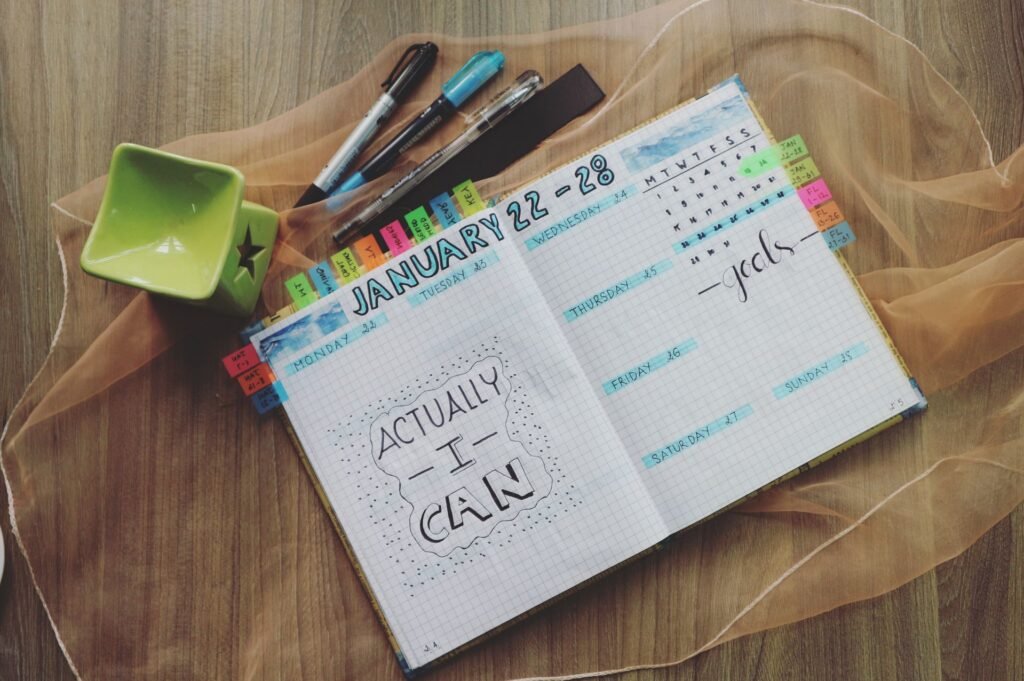
The Real Secret to Building Habits That Stick
There isn’t a magical number of days after which a habit suddenly becomes effortless.
Habit formation varies widely depending on the behavior, person, and circumstances. Recent reviews also emphasize that habit development can take substantially different amounts of time across behaviors and individuals.
So don’t become obsessed with the idea that you need to “do it for 21 days.”
Instead, focus on repetition in a stable context.
Do the behavior.
Come back to it.
Make it easier when necessary.
Learn from the days you miss.
Keep going.
That is how habits become part of your life.
And remember: a habit doesn’t need to be impressive to be valuable.
Five minutes of walking matters.
One page matters.
Two minutes of meditation matters.
One healthy meal matters.
One glass of water matters.
One promise kept to yourself matters.
Because eventually, these tiny actions stop feeling like isolated actions.
They become evidence of the person you’re becoming.
What If You Keep Starting Over?
Maybe you’ve tried before.
Maybe you’ve created morning routines that lasted three days.
Maybe you’ve bought journals that now sit untouched on your shelf.
Maybe you’ve promised yourself “this time will be different” more times than you can remember.
Please don’t use that history as evidence that you can’t change.
Use it as information.
You now know what hasn’t worked.
Maybe you started too big.
Maybe you relied too heavily on motivation.
Maybe you expected perfection.
Maybe you chose habits because you thought you should want them rather than because they genuinely mattered to you.
You get to try differently.
And perhaps that’s the most important part of personal growth.
You don’t have to become a completely new person tomorrow.
You simply have to give your future self one small reason to trust you today.
Then another tomorrow.
And another the day after that.
Eventually, you look back and realize something beautiful:
You didn’t change your life in one giant moment.
You changed it through hundreds of small moments when you chose to show up.
Final Thoughts
Learning how to build habits that actually stick isn’t really about becoming stricter with yourself.
It’s about becoming more understanding of yourself.
Build habits that fit your real life.
Start smaller.
Create clear cues.
Design your environment.
Expect imperfect days.
Give yourself permission to restart.
And most importantly, stop believing that consistency means perfection.
Consistency is simply the willingness to return.
You don’t need to win every day.
You just need to keep coming back to the person you want to become.
And that person is built one small habit at a time.

A Small Challenge for You
Before you leave this page, choose one habit.
Not the habit that sounds impressive.
Not the habit you think you should have.
Choose the one that would genuinely make your life a little better.
Then make it smaller.
Make it specific.
Make it easy.
And start today.
Your future self doesn’t need you to be perfect.
They just need you to begin.




very practical guide. but you forgot to mention cue-cravings-action-reward loop .